How Dealers Can Optimize Vehicle Allocation Across Multiple Locations
Managing inventory across multiple dealership locations presents unique logistical challenges. To maximize sales and minimize holding costs, dealers need a smart approach to vehicle allocation and transportation that keeps each lot stocked with the right vehicles at the right time.
The Importance of Strategic Vehicle Allocation
Dealers often face fluctuations in demand across different regions. A model popular in one city might sit idle in another. Strategic allocation, supported by reliable automotive transportation, allows you to shift vehicles between locations efficiently. This ensures high-demand vehicles are available where customers need them most, while reducing excess inventory elsewhere.
Leveraging Professional Car Transport Services
Working with a trusted logistics partner offering transport for cars is critical. Professional carriers have established routes and the expertise to handle both local and car movers cross country transfers. By coordinating shipments through a single provider, you can streamline operations and gain volume-based pricing advantages.
Dealers should consider:
- Using open transport for cost-effective standard vehicle relocation
- Partnering with a classic car hauler for high-value or collector inventory
- Ensuring carriers offer tracking and damage prevention protocols
Multi-State and Cross-Country Optimization
As dealerships expand into broader markets, the ability to manage shipping vehicles cross country becomes vital. Whether you need to transport car to California, schedule Texas car transport, or coordinate shipping a vehicle cross country to multiple destinations, the key is working with carriers who specialize in interstate and nationwide routes.
Providers with experience in car shipping auto services can handle everything from small volume transfers to full truckloads, allowing you to move inventory seamlessly across state lines.
Data-Driven Inventory Planning
Modern dealers should leverage data analytics to anticipate demand and plan allocations accordingly. Combine sales forecasts with real-time market data to proactively schedule shipments, rather than reacting to shortages. This reduces delays and improves customer satisfaction by ensuring desired vehicles are always available.
Building Long-Term Transport Partnerships
The most effective dealerships build strong relationships with carriers who understand their long-term business needs. Look for partners that provide scalable solutions, transparent pricing, and consistent communication. With a reliable logistics network, you can optimize allocations, reduce costs, and gain a competitive advantage across all your locations.
Related Articles
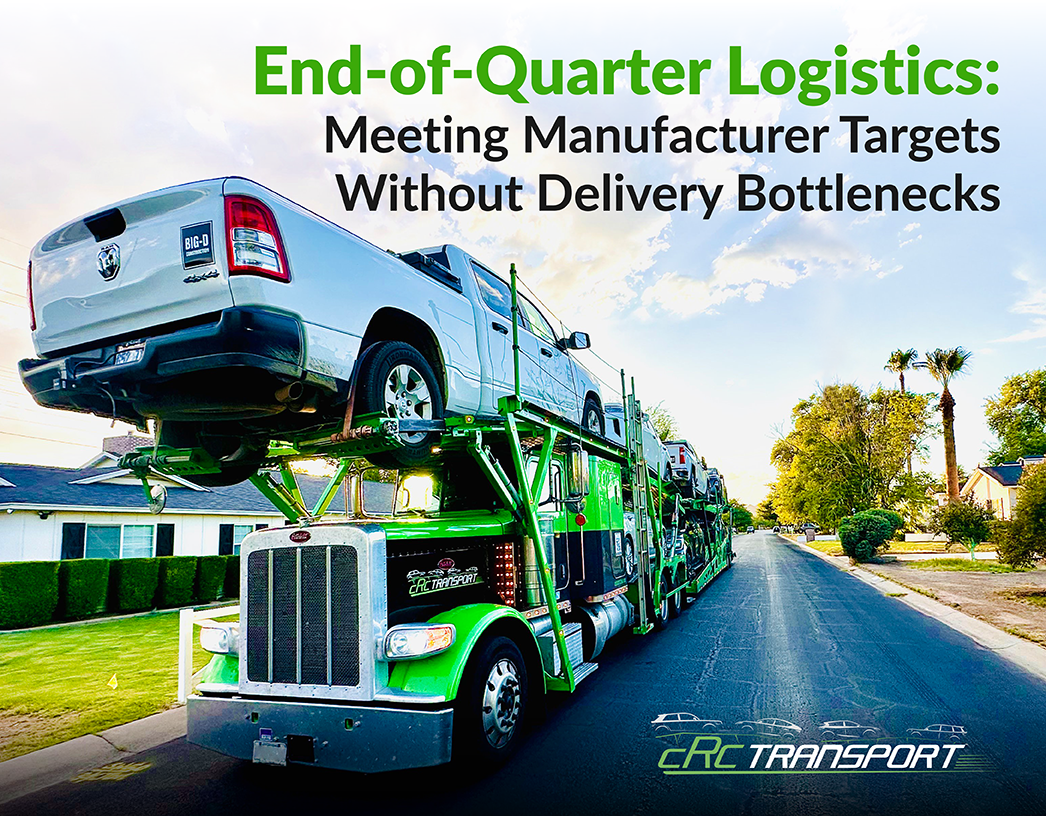
End-of-Quarter Logistics: Meeting Manufacturer Targets Without Delivery Bottlenecks
As the end of each quarter approaches, dealerships often find themselves in a race against time to meet manufacturer sales targets. Incentives, bonuses, and even next quarter’s allocations depend on getting vehicles into customers’ hands before the deadline.


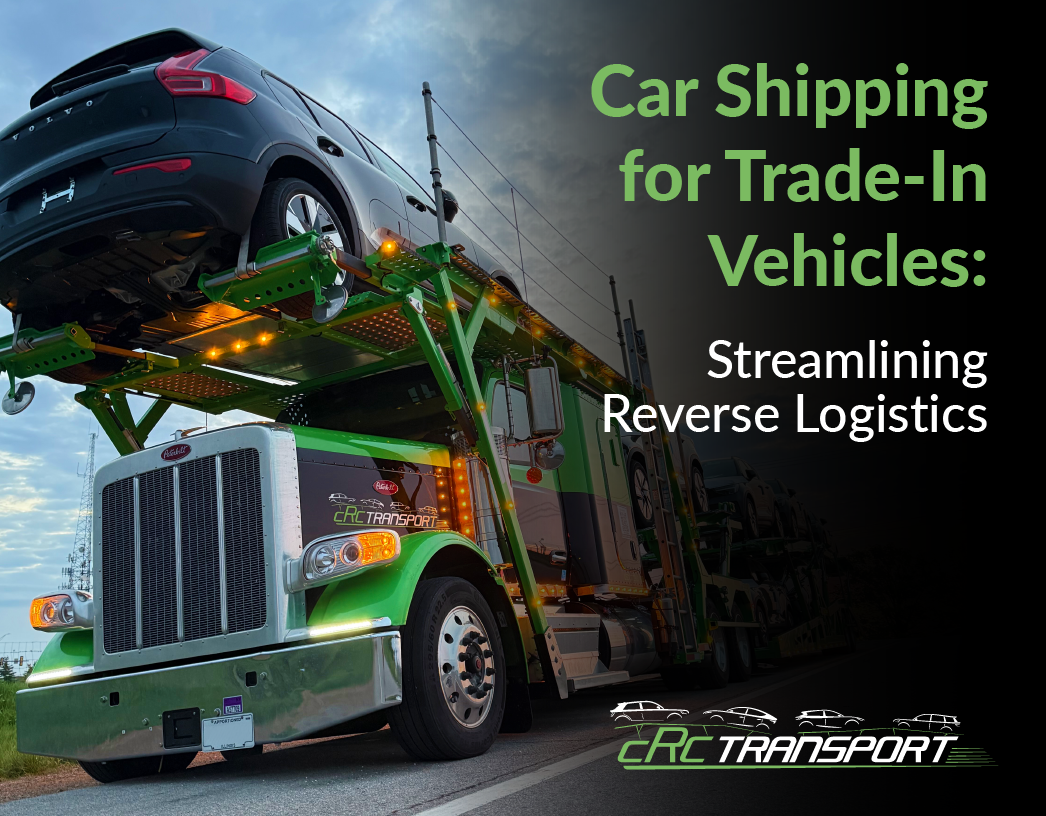
Car Shipping for Trade-In Vehicles: Streamlining Reverse Logistics
In today’s vehicle market, trade-in programs have become a core component of the sales strategy for dealerships nationwide. Whether you’re a dealer accepting cars from customers in another state or a consumer trading in your vehicle remotely, the challenge lies in efficient shipping vehicles from their origin point back to your facility.
Our Values
At CRC Transport, our journey is not just about transporting vehicles; it’s a commitment to values that define our character and service. Our foundation is built on three core pillars.