Reducing Costs in B2B Car Hauling: Best Practices for Dealerships
Optimizing B2B Car Hauling for Cost Efficiency
Car dealerships rely on efficient logistics to keep their operations profitable. However, car relocation services can quickly become costly without strategic planning. By partnering with the right car moving company and implementing best practices, dealerships can significantly cut transportation expenses while maintaining service quality.
Choosing the Right Transport Companies
Selecting reputable transport companies is the first step in optimizing costs. Working with experienced car shippers that specialize in B2B solutions ensures better pricing, streamlined operations, and reliable service. Look for transport providers that offer bulk discounts, flexible scheduling, and nationwide coverage to maximize savings.
Leveraging Vehicle Shipping Quotes for Competitive Pricing
Obtaining multiple vehicle shipping quotes before committing to a provider can result in substantial savings. Comparing vehicle transport quotes from different companies allows dealerships to negotiate better rates and select the most cost-effective option without sacrificing service reliability.
The Benefits of Long-Distance Car Transport Planning
Many dealerships require long-distance car transport services for inventory redistribution or fulfilling out-of-state orders. Planning ahead and scheduling shipments in bulk can lead to lower per-unit transport costs. Additionally, selecting vehicle transport services that use multi-car carriers can optimize costs by reducing fuel expenses and driver labor.
Cost-Effective Strategies for State-to-State Transport
For dealerships regularly moving inventory across state lines, choosing efficient transport car to another state services is crucial. This can include working with providers that offer enclosed or open transport based on the vehicle type, ensuring cost-effectiveness while maintaining protection for high-value cars.
Shipping Cars to Florida and Other High-Demand States
Dealerships often need to ship cars to Florida and other regions with seasonal demand. Optimizing transport routes and working with logistics experts who understand peak-season pricing can help cut costs. Additionally, dealerships should consider scheduling shipments during off-peak seasons to take advantage of lower rates.
Maximizing Efficiency with Bulk Shipping
By consolidating vehicle shipments, dealerships can benefit from economies of scale. Instead of shipping individual cars, bundling multiple vehicles through a vehicle transport service allows dealerships to negotiate lower rates and reduce handling fees.
Conclusion
Reducing costs in B2B car hauling requires strategic partnerships, careful planning, and leveraging competitive vehicle shipping quotes. By working with trusted transport companies and utilizing long-term strategies like bulk shipping, dealerships can significantly lower transportation expenses while ensuring reliable service.
Get an instant car shipping quote
Related Articles
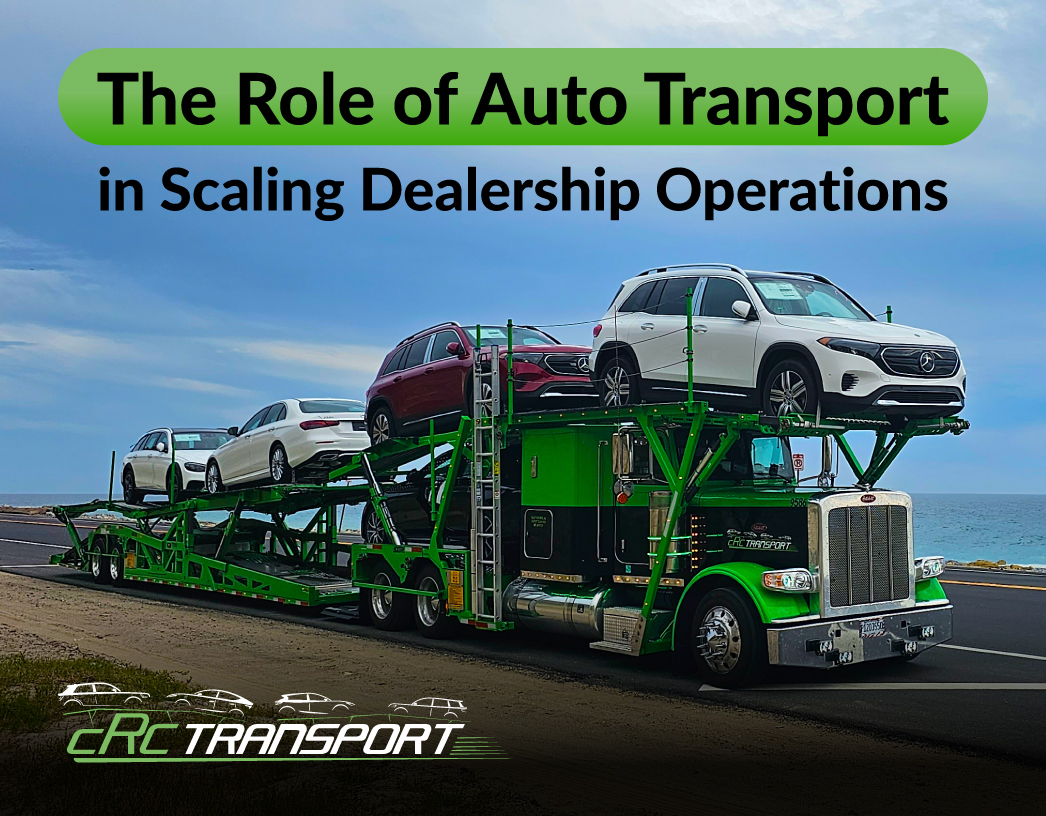
The Role of Auto Transport in Scaling Dealership Operations
For car dealerships, efficiency is paramount when it comes to inventory management and customer service. As dealerships grow and expand, they need reliable and scalable solutions to handle the logistics of vehicle movement. Auto transport services play a crucial role in scaling dealership operations, providing the foundation for smooth and cost-effective vehicle delivery.


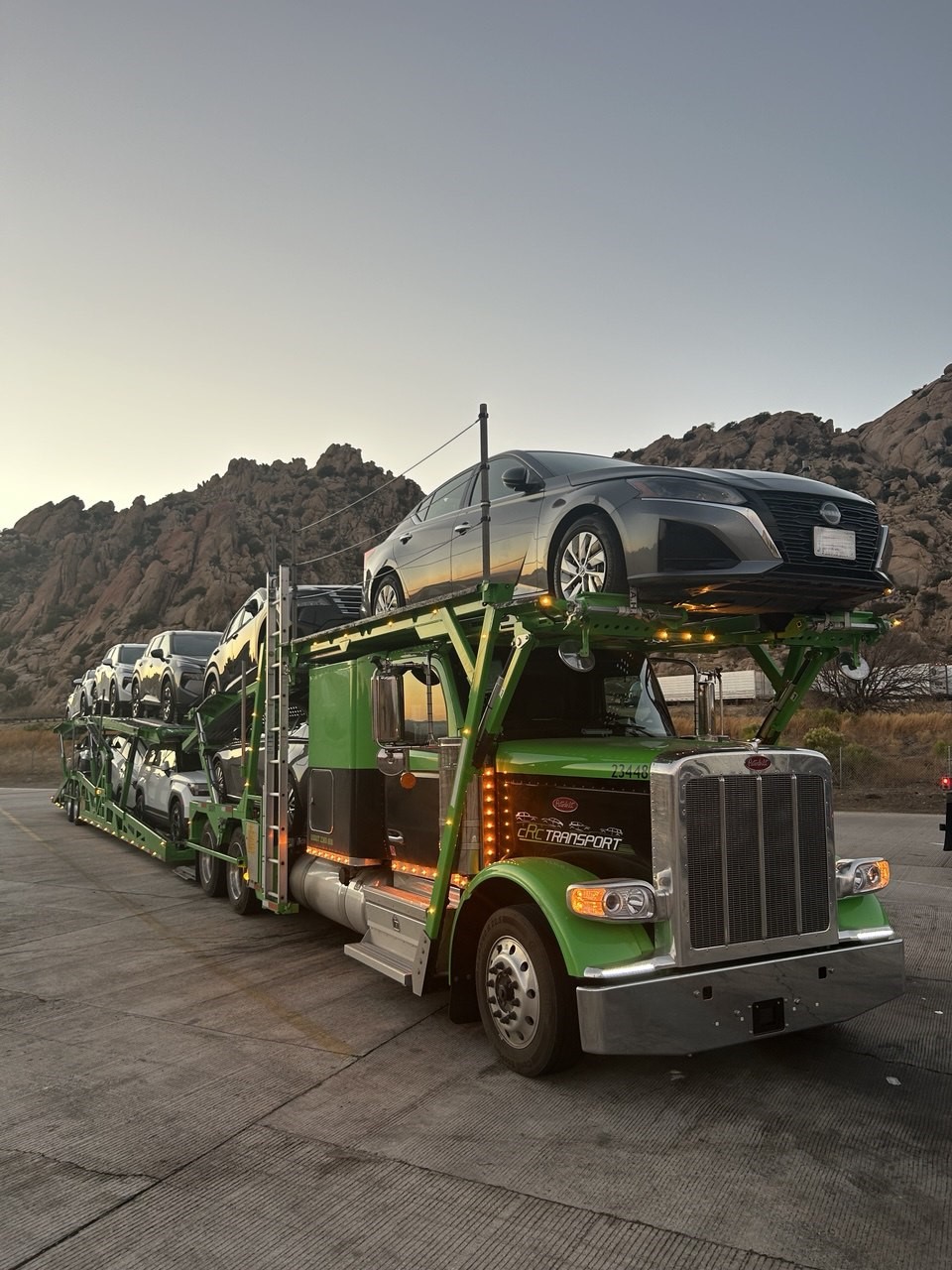
Auto Transport Myths Debunked What You Need to Know Before Booking
When it comes to transporting a car to another state, many people are unsure about what to expect. From misconceptions about car shipping costs to fears of hidden fees, there are plenty of myths that can make the process seem overwhelming.

How Car Transport Delays Impact Dealership Sales and How to Avoid Them
In the highly competitive auto sales industry, every day counts. When dealerships face delays in car hauling, it doesn’t just slow down operations – it can directly impact revenue, customer satisfaction, and brand reputation.